Thin Walls, Warm Rooms: The Residential Latin Nights Learning to Live With the Street

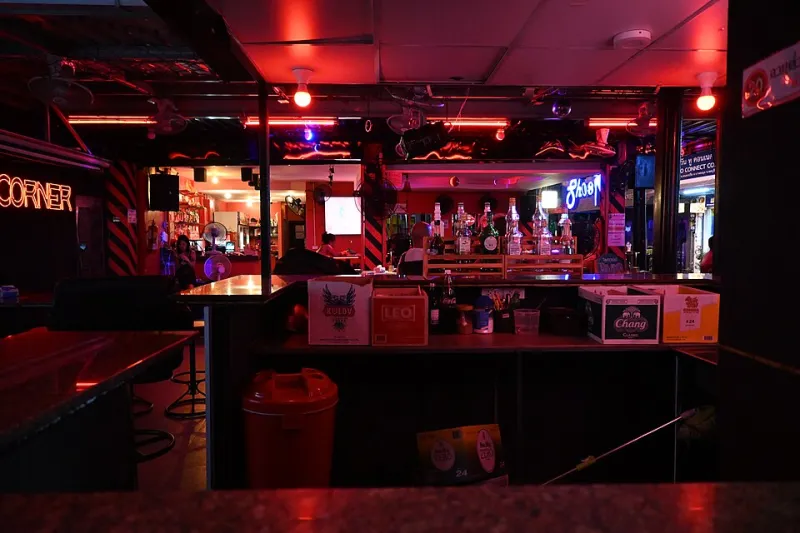
Photo: Latin music night in a British pub back room, intimate crowd, low warm lighting, residential street outside, via sp-ao.shortpixel.ai
The best Latin night in Britain this month might not be in a city centre at all. It could be in a former social club on a residential street in south Bristol, or the back room of a corner pub in Leeds, where the nearest neighbour is close enough to hear the congas through the wall and the last bus has already gone. That is the new geography of UK Latin nightlife: smaller rooms, residential addresses, and a crowd that walks home rather than queues for a taxi.
The room beyond the door
On a Saturday in late autumn, the promoter arrives at 5pm. The room smells of cleaning fluid and old carpet. A sound engineer sets up a decibel meter near the fire door and checks the bass with the windows shut. Outside, someone is putting out the recycling. A neighbour waves. This is not the Havana of postcard imagination, where music spills from doorways and the street is an extension of the dancefloor. In a British residential street, the spill is the problem.
The promoter, who runs monthly nights in a converted social club, says the first question from the council was not about music policy or security. It was about the street. ‘They wanted to know how we would get 120 people out of the door without turning the pavement into a smoking lounge at midnight.’ That is the reality of the new wave: the most intimate Latin room in Britain may depend less on its DJ than on its relationship with the street outside.
The 11pm handover
Most of these rooms do not have the luxury of a 3am licence. An 11pm curfew is common, sometimes midnight with conditions. Doors and windows closed after 10:30. No amplified music outside. A sound limiter wired into the system. The promoter calls the final hour ‘the handover’. It is not a climbdown. It is a different craft.
At one Leeds venue, the last 45 minutes are given over to son, bolero and a single acoustic guitar. The sub is turned down, the lights come up a notch, and the room shifts from sweat to conversation. ‘You cannot just cut the power and put the house lights on,’ the sound engineer says. ‘That feels like a punishment. You have to programme the exit.’ The best residential Latin nights treat the curfew as a genre, not a defeat.
The physical work is unglamorous: acoustic curtains, sealed fire doors, a lobby that acts as a buffer, a limiter that cuts the bass before the neighbours hear it. Double glazing helps, but only if the windows are actually shut. One promoter admits they spent more on soundproofing than on their first year of DJ fees. ‘It is not sexy. But it is the difference between a monthly night and a noise abatement notice.’
The neighbour as collaborator
The relationship with the street is not just legal. It is social. Promoters in Bristol and Manchester now do letter drops before every event, with a mobile number and an invitation to come in for a drink. One neighbour, a retired teacher, became a regular. Another keeps a log of bass levels and sends it to the promoter, not the council. ‘That log is more useful than any app,’ the promoter says. ‘It tells us which track is the problem.’
Bin night is a genuine concern. Glass bottles go out at 11pm, taxis idle outside, smokers gather on the pavement. The best venues manage the street as carefully as the room: a smoking area at the back, a taxi pick-up point around the corner, a staff member on the door until the last guest has gone. In Havana, the street is part of the party. In a British residential street, the street is part of the licence.
What Havana can learn from a cul-de-sac
The Havana atmosphere does not have to be loud to be real. It can be low ceilings, warm light, a seated start, a live horn section that fills the room without rattling the windows. The residential Latin room is forced to be intentional. It cannot rely on volume as atmosphere. It has to build intimacy through programming, layout and manners.
That is not a compromise. It is a different kind of nightlife. The most memorable moments in these rooms are not the peak-time drops but the moments when the room leans in: a rumba circle in the back room, a couple dancing close because there is no space to spin, a neighbour standing at the bar with a drink and a look of surprise. The street outside has not been conquered. It has been invited in.
The neighbour’s verdict, in the end, is not a threat. It is a design brief. A Havana heart can survive on a British residential street, but only if the promoter remembers that the room ends at the pavement, not the dancefloor. The last twenty minutes matter. The first letter drop matters. The bass bin matters. And the street outside is always part of the set.