The Room Has to Breathe: Why Airflow Belongs on Every UK Latin Night's Guest List
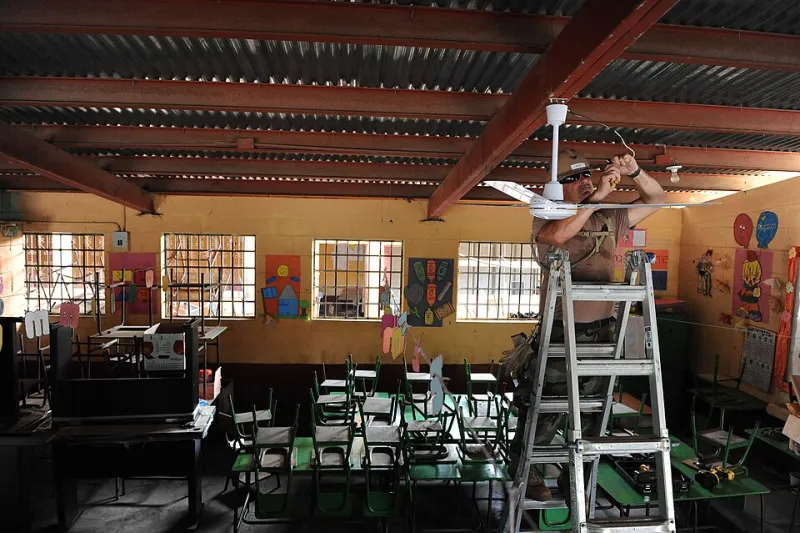
Photo: Official Navy Page from United States of America SSgt Alesia Goosic/U.S. Marine Corps, Public domain, via Wikimedia Commons
You can book the right DJ, print the right flyer and get the door staff on side, but a UK Latin night can still flatten at midnight for a reason nobody puts on the poster: the room has stopped breathing.
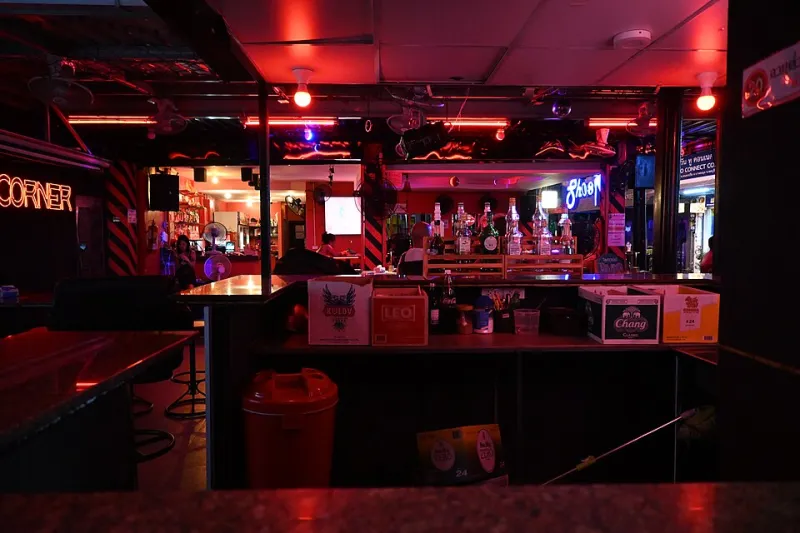
It is not always obvious at first. The floor is busy, the congas are doing their job, the bar is moving. Then the windows fog, the air turns thick and sweet, and the front row starts fanning itself with a drinks menu. In Havana, that moment is part of the texture: shutters open, ceiling fans turn, a doorway lets the street in. In a British basement, it can feel like the night has been sealed in cling film.
Airflow is not a glamorous subject. It does not fit neatly into a press release. But it is one of the most reliable indicators of whether a Latin night will feel generous or airless, and it deserves a place alongside sound, lighting and door policy in the promoter's planning.
The first thing a full room runs out of
It is rarely space. A hundred and fifty people can dance in a modest room if the room is managed well. What they run out of first is fresh air. Carbon dioxide climbs, humidity rises, bodies heat up and the whole atmosphere gets heavier. You may not be able to see it, but dancers feel it: the urge to step outside, the drift towards the bar, the sudden need for a glass of water that is not a £3.50 bottle from the fridge.
British venues are particularly good at creating this problem. We have a long tradition of converting spaces that were never designed for late-night dancing: railway arches, cellars, upstairs function rooms, back rooms of pubs. They are full of character and short on windows. In winter, the contrast is brutal. Cold air outside, tropical air inside, condensation on every hard surface. By 1am, the room can feel like a chip shop at closing time.
Basements, arches and the sealed-box problem
The first practical step is to look at the room before you book it, and not just when it is empty and smelling of fresh paint. Ask how air moves when the place is full. Are there opening windows? Is there mechanical extraction? Do the doors create a through-draught, or does every entrance lead to a corridor that traps the heat? A venue can have a brilliant soundsystem and still be a bad host if it cannot exchange the air.
This is not about demanding air conditioning in every back room. Many great nights happen in rooms without it. It is about knowing what you have got and working with it. A cellar with low ceilings needs a different plan from a converted pub with high windows and a side yard. The mistake is assuming that because the venue is licensed, the atmosphere will take care of itself.
What Havana gets right, and what it does not
Havana is not a ventilation utopia. Heat can be relentless, and a crowded room in the old city can be as sticky as anywhere in Britain. But the city's architecture often gives air a route through: tall ceilings, shutters, interior courtyards, fans that turn slowly above the tables. Air movement is part of daily life, not an afterthought.
UK Latin nights can borrow that instinct without pretending to be in the Caribbean. Open what can be opened. Use fans to keep the air circulating rather than blasting dancers in the face. Let a doorway do some work. The aim is not a gale; it is a gentle exchange between inside and outside, so the room feels alive rather than sealed.
The fan is not decor
A ceiling fan can be the most useful piece of equipment in the room, but placement matters. A slow-moving ceiling fan helps mix the air without turning the dancefloor into a wind tunnel. Floor fans are useful too, especially in low rooms, but they need to be out of the dancing zone and angled so they move air along the walls or upwards rather than freezing one unlucky couple. In winter, avoid the temptation to blast cold air at people who are already sweaty. The goal is circulation, not punishment.
Fans also make noise. A cheap fan rattling above the DJ booth is its own kind of atmosphere killer. If the room is small, a quieter fan and a propped door may do more than a noisy industrial unit. This is where a promoter's judgement matters: the best solution is usually a combination of small moves, not one dramatic fix.
A water station is an airflow strategy
It sounds like a separate issue, but hydration and airflow are cousins. A room full of overheated dancers needs water, and not just whatever is left at the bar after the cocktail queue. A visible, free water station near the floor is a basic act of hospitality. It keeps people dancing longer, reduces the chance of someone feeling faint, and takes pressure off the bar. Cups, a tap, a bin and someone checking it now and then. That is the whole kit.
In 2026, with more nights experimenting with sober-curious programming, the water station is even more important. If you are asking people to stay later without drinking, give them something to drink. It is not a concession; it is part of the room's rhythm.
Doors, queues and the pressure problem
A propped door can be a lifesaver, but it has to be the right door. Fire doors are not for wedging, and no promoter should be treating safety as an atmospheric tool. Work with the venue on designated ventilation: a side entrance, a lobby door, a window that opens, a mechanical system that actually gets switched on. The point is to create a controlled exchange of air, not to turn the emergency exit into a smokers' lounge.
Door management matters too. A long queue outside lets cold air in every time someone enters, but it also traps heat in the cloakroom. A little planning around the entrance, the smoking area and the bar can stop the room from becoming a series of sealed pockets.
Measuring the invisible
You do not need a laboratory. A cheap carbon dioxide monitor and a humidity gauge can tell you a lot about how a room is behaving. If the numbers climb through the night, it is a prompt to bring in more fresh air, not a reason to panic. Use them as tools, not rules. The same goes for a simple thermometer: if the room is hotter than the bar staff can comfortably work in, the dancers are probably struggling too.
The 1am slump is not always a music problem. Sometimes the crowd has simply run out of clean air. A five-minute exchange, a door opened, a fan adjusted, and the room can reset.
A practical checklist for promoters
Before you book: visit the room full, not just empty. Ask about extraction, windows and doors. Look at ceiling height. On the night: place fans thoughtfully, set up a water station, brief staff on keeping it stocked, and keep an eye on the room's temperature and smell. After the night: make a note of what worked. The best airflow plan is the one you can repeat without thinking.
Havana's nights are not just about sound and shadow. They are about a city that knows how to let the air move. UK Latin nights can learn from that without pretending to be somewhere else. Give the room a chance to breathe, and everything else, from the clave to the last train, gets a little easier.