The Powder Room Test: Why a UK Latin Night Lives or Dies at the Loo Mirror
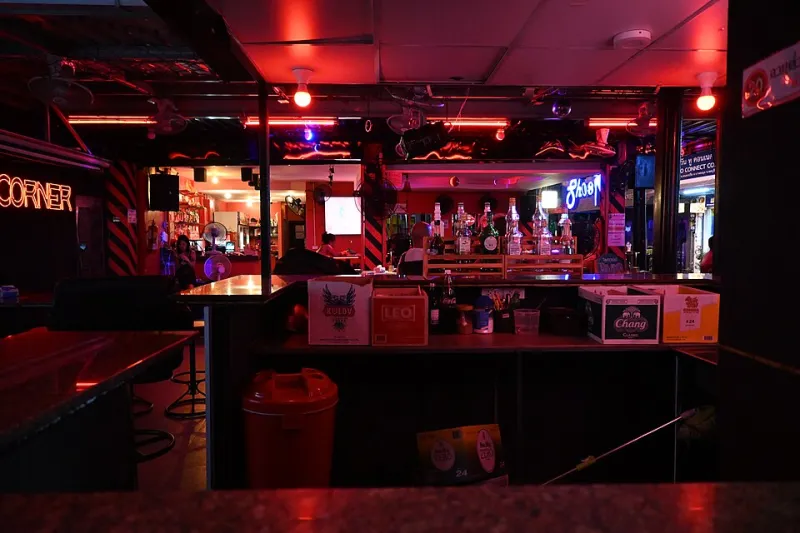
Photo: PattayaPatrol, CC BY-SA 4.0, via Wikimedia Commons
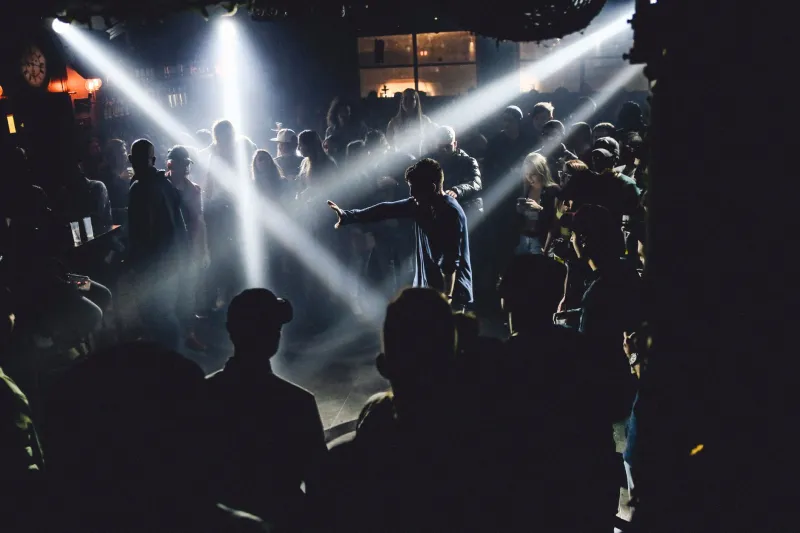
At 2am, the dancefloor is still putting on a show. The lights are low, the horns are high, and everyone is holding a version of themselves together for the room. Then someone says the words that cut through the rumba: I'm just going to the loo.
That little trip is where the truth lives. Not the truth about the DJ's taste or the door policy or whether the rum punch is mostly ice. The truth about the room's mood. In a UK Latin night — a converted pub basement in Leeds, a railway arch in Bristol, a Manchester room with a late licence and a hopeful queue — the bathroom is not a footnote. It is a pressure valve, a conversation pit, a dressing room and occasionally a confession booth. At 2am, it is the most honest room in the building.
The queue is the room's pulse
Watch a loo queue for five minutes and you can read the night. A good queue has chatter in it. Someone is fixing a strap, someone is laughing about a missed turn, someone is quietly checking the last train times and deciding whether to stay for one more song. A bad queue is silent and stiff, full of people staring at the floor and calculating how long they can hold on before they leave altogether.
In UK venues, this matters more than promoters like to admit. Our rooms are often tight, our closing times are strict, and our transport is a countdown clock with a pint in its hand. The loo is one of the few places where a guest can step out of the performance of the night without stepping out of the night itself. If that pause feels grim — a single cubicle, a dying bulb, a tap that runs warm for ten seconds and then cold forever — people do not just have a bad toilet trip. They start thinking about the exit.
Havana's late-night mythology is built on doorways, courtyards and the easy slip between inside and outside. British rooms cannot copy that climate, but they can copy the principle: the night needs places where the spell can loosen without breaking.
Mirror, light, tap: three small tells
The mirror is the first test. A proper mirror tells guests the room has thought about them. A mean little rectangle above a hand basin tells them the opposite. At 2am, people are not asking for a vanity unit. They are asking for enough glass to check their face, their hair and whether the night has left a mark. A full-length mirror near the door — not in the cubicle, not behind a fire extinguisher — does more for morale than a slogan on the wall.
Lighting is the second. Harsh white fluorescent strips are a cold splash of reality. They make every dancer look like they have just been questioned by a manager. Warm, dim bulbs are kinder, but not so dim that someone cannot find the soap. The sweet spot is a soft glow with a brighter patch over the basin. If the venue can manage a warm bulb and a mirror that does not steam into oblivion, it is already ahead of half the UK circuit.
The tap is the third. This sounds absurd until you have watched a room full of people trying to rinse sticky hands under a trickle of water. A decent tap, a working soap dispenser, paper towels that are not rationed like contraband — these are not luxury items. They are basic hospitality. In a Latin night, where people are dancing close and sweating properly, clean hands are part of the social contract.
And then there is the attendant. A good attendant is not a bathroom bouncer. They are the quiet guardian of the room's softest moments: pointing to the spare towels, keeping the queue moving, pretending not to notice the person having a small emotional moment by the sink. In Havana, the attendant is part of the ritual. In Britain, we often treat the role as either absent or awkward. A relaxed brief and a decent stool can change that. So can a simple rule: no hard sell, no hovering, no making anyone feel like they have to buy their way out of the loo.
The two-minute holiday
There is a reason people linger in a good bathroom. It is a two-minute holiday from the noise, the heat and the social effort of the floor. The best UK Latin nights understand that this mini-break is not a threat to the party. It is what allows the party to continue.
A thoughtful loo gives people somewhere to breathe, to talk, to fix themselves and to return. It also helps the room feel more inclusive. A queue that respects personal space, a cubicle that is genuinely accessible, a bin that is emptied before midnight — these things signal that the night is for everyone, not just the people who can hold it until 3am.
Small touches go a long way. A shelf for bags. Hooks that actually hold a coat. A basket of hair ties and plasters. A bottle of water on the counter. A sign that says the nearest late-night shop rather than a passive-aggressive note about behaviour. None of this needs a Havana-themed makeover. In fact, the worst version is a bathroom that looks like a rum advert exploded in it. Warm light, clean surfaces and a bit of care will beat fake palm leaves every time.
What to fix before next Friday
Promoters and venue managers can audit the loo in ten minutes. Check the mirror. Check the bulbs. Run the tap. Wash your hands as if you have just danced for two hours. Look at the queue from the outside. Is it blocking a fire exit? Is it mixing with the cloakroom in a way that makes people anxious? Is there anywhere to put a bag down without balancing it on a wet ledge?
Then make three changes. Warm the light. Add a mirror that works. Put a named person in charge of restocking and checking the room at the start, middle and end of the night. That is not glamorous work, but it is the work that keeps a night honest.
The dancefloor is where a UK Latin night performs. The loo is where it tells the truth. At 2am, that truth matters. Fix the smallest room and the big room holds its spell a little longer.