The 1am Test: What UK Latin Promoters Should Be Watching When the Door Queue Dies
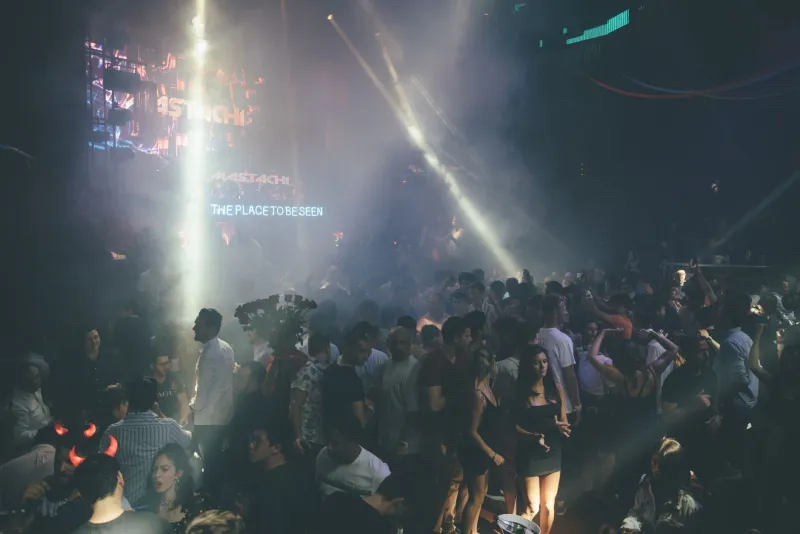
UK promoters have become very good at counting things before midnight. Tickets sold. Instagram saves. Guest-list names. Queue length at 10.45pm. The number of people who have said they are definitely coming and definitely bringing six friends. All of it is useful, and none of it tells you whether the night is actually working once the lights go down.
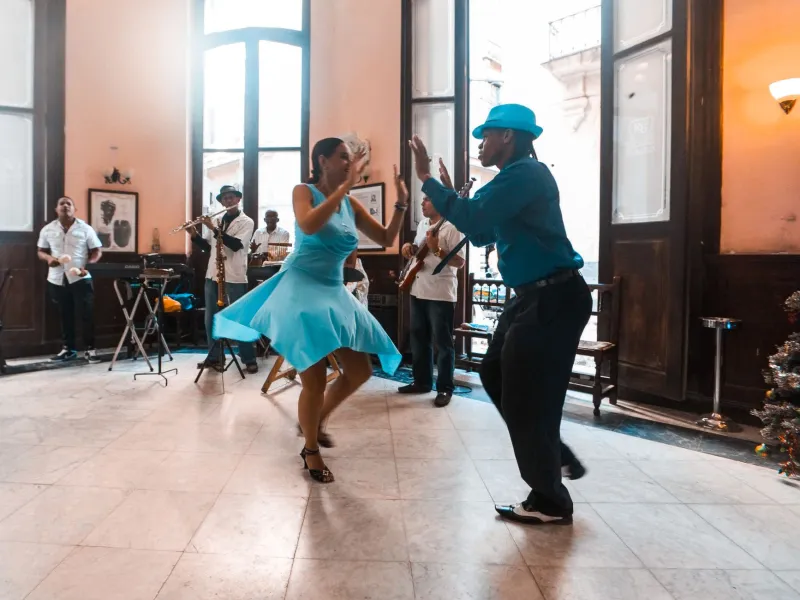
In Havana, the telling number is not how many people came through the door. It is how many pairs of shoes are still moving at 2am. That is a harder figure to put in a spreadsheet, but it is the one that separates a room with a pulse from a room with a late licence and a decent poster.
The door is not the dancefloor
Pre-sales are a promise. A busy bar is a cash register. Neither tells you whether the night has a pulse. You can sell out by 11pm and still be playing to a room of people checking their phones by 12.30am. You can have a modest door and a floor that refuses to empty until the last tune.
UK Latin nights often celebrate the first scenario because it looks good online. The second scenario is harder to photograph but much easier to build on. The problem is that most promoters never gather the evidence. They ask the door how many came in, the bar how much was taken, and the DJ whether it went off. That is not research. That is a group chat.
A census, not a vibe check
Start with something almost embarrassingly simple: a midnight census. At 12.30am and again at 1.30am, walk the room and count dancers, not attendees. Not people holding a drink near the floor. Not people standing in a group pretending to be about to dance. Feet moving, shoulders loose, bodies facing the music.
Do it room by room. Main floor. Side bar. Smoking terrace. Corridor. Cloakroom queue. Then note the obvious things. Is the middle of the floor full or are people clinging to the edges? Are they staying for three songs or leaving after one? Are they facing each other, the DJ, or the exit? A rough dancers-per-100-attendees figure is enough to start. If fewer than a quarter of the room is actually dancing at 1am, the night is not late yet, whatever the clock says.
The bar-to-floor ratio
One of the most useful numbers in any club is the relationship between the bar queue and the dancefloor. If the bar is swallowing the floor, service is stealing the night. If the floor is holding its own while drinks are being bought, the room has a healthy rhythm.
Count how many people are waiting at the bar, how long they wait, and how many are dancing. A Latin night should not have a bar queue that looks like a festival toilet at 1am. In Havana, bars tend to sit at the edge of the room rather than in the middle of it. The music is the centre of gravity. In many UK venues, the bar is the centre of gravity and the dancefloor is a leftover space. That is a design problem, but it is also a staffing problem and a programming problem. Measure it and you can fix it.
Room-by-room movement
People tell you what they think with their mouths and what they actually feel with their feet. Track where they go when they leave the floor. If the smoking area becomes the main social space at 12.40am, you may have a sound or ventilation issue. If the corridor is packed while the side room is empty, the layout is doing something wrong. If the cloakroom queue spikes at 12.15am, check the last trains before you blame the DJ.
UK late licences do not exist in a vacuum. They sit inside train timetables, taxi surcharges and the British winter. A dip at 12.10am might be the tube, not taste. A rush for coats at 12.50am might be the last bus. A room that empties at 1am might simply have been programmed for people who needed to leave. The census helps you tell the difference between a night that failed and a night that was cut short by the realities of getting home.
Read the floor like a Havana doorman
The best room-readers are not always promoters. They are doormen, bar staff, cloakroom attendants and security. They see who is leaving before they leave. They notice the couple who have been circling the floor for 20 minutes and never quite commit. They know when the smoking terrace has become the real dancefloor.
Borrow that skill. Do not turn it into surveillance. No apps, no facial recognition, no invasive tracking. Just observation, notes and a conversation after close. Ask the bar staff where the crush was. Ask the cloakroom when the coats started moving. Ask security when the mood changed. Then put it next to your own counts.
Build the next night from the evidence
After a few weeks, patterns appear. Maybe the floor empties every time the tempo drops. Maybe the side room only works after 1.30am. Maybe the bar queue is worse when one member of staff is on break. Maybe the crowd arrives earlier than you think and leaves earlier than you want. None of this requires a data team. It requires a clipboard, a notes app and the discipline to look past the door.
As UK rooms head into the 2026 winter season, the temptation will be to chase bigger numbers earlier. Resist it. A night that sells out by 11pm but empties by 1am is not a success. It is an early party with a late licence. The 1am test is simple: who is still dancing, who has left, and why? Answer that honestly and you will build better Latin nights — not just busier ones.