Unplugged and Unhurried: Why UK Latin Nights Need a Scheduled Dip into Darkness
There is a particular sound a room makes when the electricity gives up. In Havana it is not a dramatic silence. It is a shuffle, a laugh, someone finding a guitar in the dark, a clave tapped on a table edge until the tune reassembles itself. The power cut is an inconvenience first and a social event second, but the second part is worth stealing. Not the cut — the reset.
UK Latin nights could use one. Not as a gimmick, not as an 'immersive experience' with a press release, but as a scheduled, licensed, plainly explained hour where the plug comes out, the phones go away and the dance floor has to rely on itself. Call it a blackout hour at your peril. Call it an unplugged hour, a dark set, a listening slot — the name matters less than the intention.
The room remembers how to listen
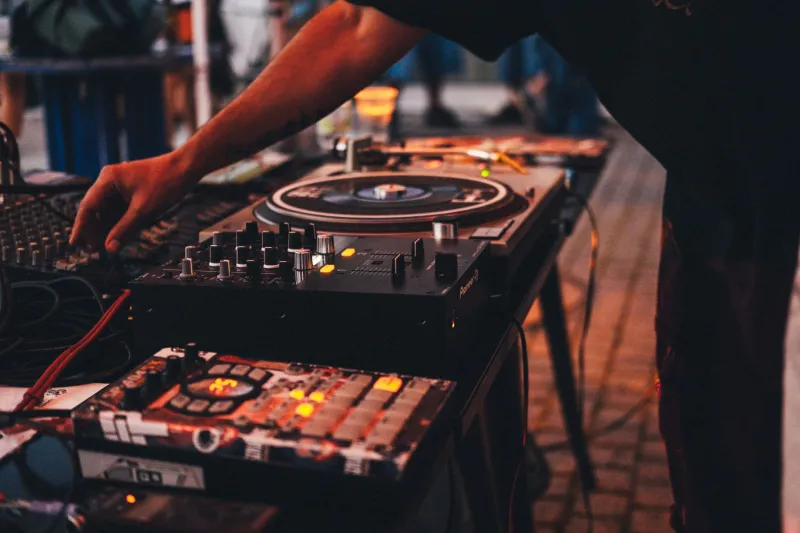
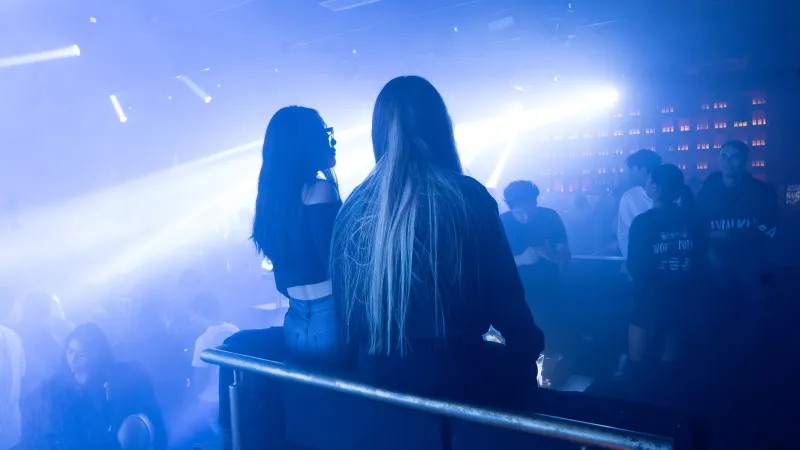
Most UK club rooms are built to overwhelm. Sub-bass you feel in the sternum, lighting rigs that turn everything into a music video, a bar queue that never quite clears. It works. It also trains punters to expect the room to do the emotional labour. When the volume drops, the first thirty seconds are awkward. Then something shifts. You hear feet. You hear glasses. You hear a singer without reverb and realise they can actually sing.
That is the Havana lesson, minus the romance. A power cut does not make people noble. It makes the room smaller and more specific. Conversation has to happen at close range. Musicians have to lean in. The audience has to decide whether it is watching or participating. On a British dance floor, where everyone is often half a pint away from self-consciousness, that forced intimacy can be a gift.
What the hour actually looks like
Forget total darkness. You cannot and should not switch off emergency lighting, exit signs or anything your licensing authority expects to see. The aim is a room lit by battery candles, a couple of low lamps and whatever light leaks in from the fire exits. Think pub cellar with better rhythm, not a séance.
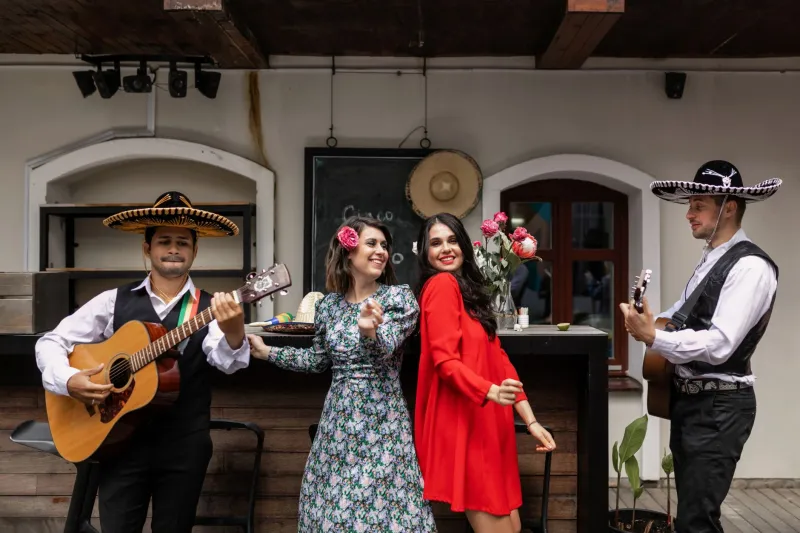
The music is acoustic: guitar, tres, bongos, cajón, voices, maybe a flute if someone can be trusted. No PA. No monitors. No backing tracks. The players stand in the middle of the floor or on a low stage with the house lights down, and the crowd forms around them rather than facing them. A host explains the format once, clearly, before it starts: this is one hour, the bar is still open, the toilets are still lit, the exits are still where they were. Then the plug comes out.
Phones are the tricky bit. A hard ban feels punitive and creates friction at the door. A soft ban — signs, a host request, no photos — works better in a room that already feels like a shared secret. If you want to be stricter, use pouches, but allow exceptions for carers, medical needs and anyone who needs their device for access. Do not make a fetish of it. The point is not to punish the audience; it is to give them permission to stop performing for the camera.
The logistics nobody wants to talk about
This is where the idea either becomes a genuinely good night or a headache for the venue manager. A planned blackout is not a blackout. It is a dimming exercise with a performance inside it. That means a fresh risk assessment, a conversation with the licensing authority, clear signage, trained stewards, kept-open exits and no naked flames. LED candles only. No smoking, no vaping, no fireworks, no clever ideas about oil lamps.
Timing matters. Put the hour too early and the room has not warmed up; too late and the crowd is too tired or too drunk to hold the atmosphere. Somewhere around 12:30 to 1:30 tends to work in city-centre rooms, before the last-train panic sets in. Announce it on the door, on the socials and from the mic. People forgive a lot if they know what is happening and when it will end.
Sound is the easy part. An unplugged hour is quieter than your usual set, which is no bad thing for neighbours, licensing and the venue's relationship with the council. The harder part is atmosphere management. Without lights and volume, a room can feel exposed. A compere who can talk like a human being — not a hype man, not a theatre director — is worth more than any lighting rig. Give people a frame: sit down if you want, stand if you want, dance if there is room, shut up when the song starts.
Why it suits a UK floor
British audiences are often accused of needing permission to let go. That is not quite right. They need a reason. A scheduled unplugged hour is a reason. It is not a test of authenticity and it is not a lecture about screen time. It is a change of pace inside a night that already knows how to be loud.
It also gives Latin musicians a different kind of showcase. In a plugged-in room, the congas and the horn section do the heavy lifting. In an unplugged room, you hear the singer's breath, the guitar's fret noise, the conversation between a tres and a voice. That is not a purist argument. It is a practical one: the music has more than one way to fill a room.
There is a risk, of course. Done badly, it becomes a piece of staged authenticity, a photo opportunity for people who want to say they were there. The way to avoid that is to keep it cheap, keep it plain and keep it short. No upselling. No 'exclusive' wristbands. No content crew. Just one hour where the room has to make its own atmosphere and the DJ has the night off.
If you run a Latin night in Peckham, Leeds, Bristol or Birmingham, try it once a quarter. Pick a room with good sightlines and easy exits. Brief the bar staff. Tell the neighbours. Book musicians who can hold a room without a monitor. Then pull the plug. The floor might not thank you immediately. It might just listen — which, in a city that never stops talking, is its own kind of night out.