The Send-Off Set: Why the Final Twenty Minutes Deserve a Proper Ceremony at UK Latin Nights
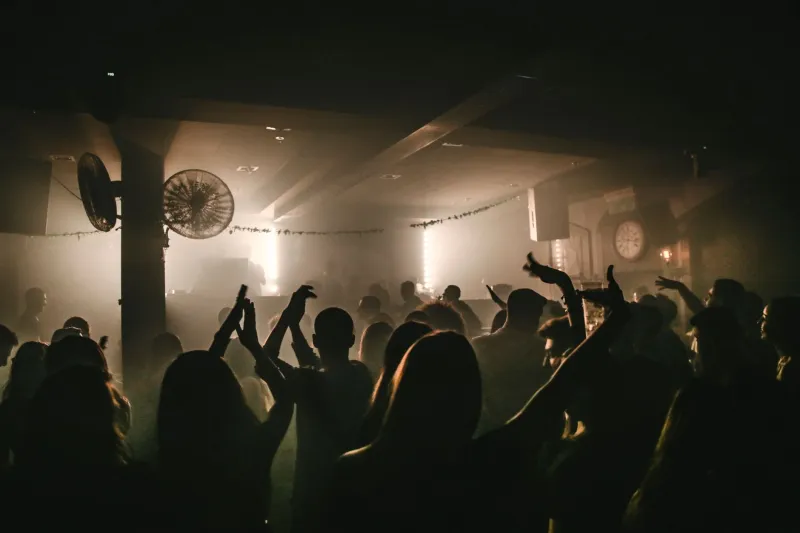
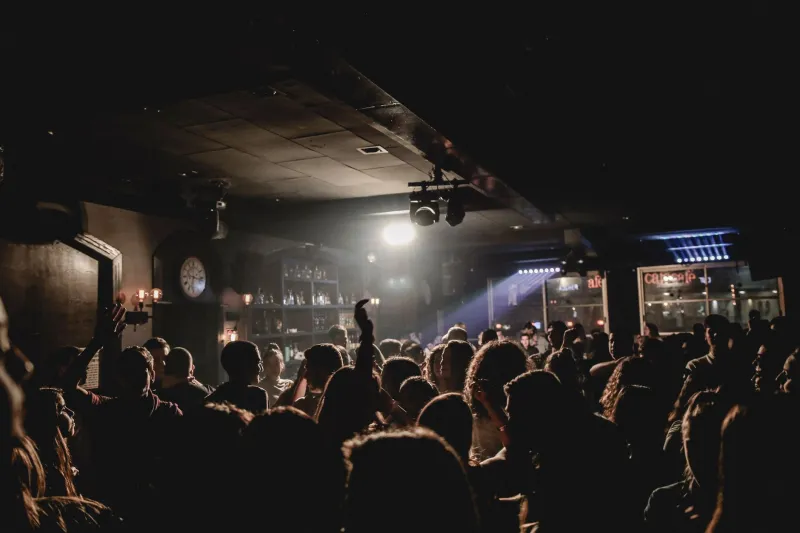
It's 1:40am in a converted warehouse on the edge of Leeds. The floor has thinned to maybe thirty people — the ones who know the bus timetable and have decided, silently, that they're not catching it. The DJ is three tracks from the end. The promoter is already stacking glasses. And then, at 1:55, someone hits the house lights. Not a gentle warm-up, but the full fluorescent snap. The room blinks. The spell breaks. The last twenty minutes of a UK Latin night, the part that should be a send-off, becomes a fire drill.
That's the scene this column is written against. Because the final stretch of a Latin night is not dead air. It's the part the diehards remember. It's the part that decides whether they come back, whether they bring friends, whether they tell someone on the 2:47 to Sheffield that they were out and it was good. The last song is a contract. And too many rooms are breaking it.
The Twenty-Minute Handshake
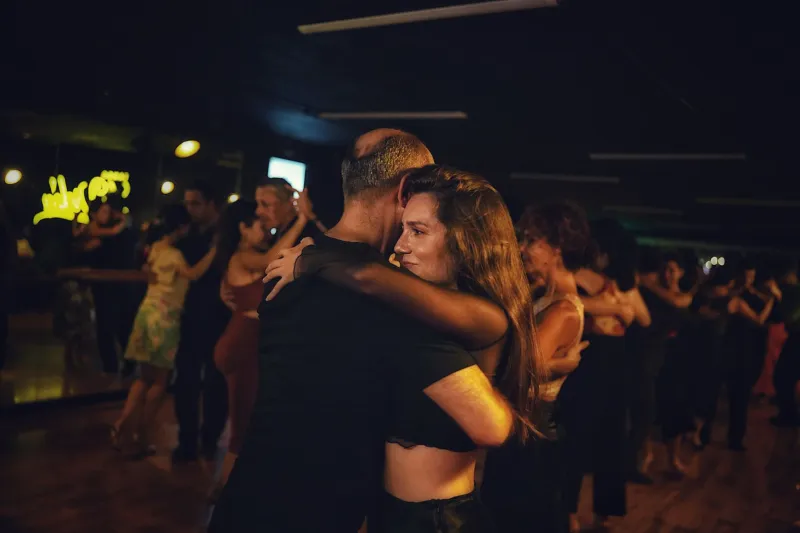
Think of the closing set as a handshake. Not the firm, formal one at the door, but the loose, warm one you give someone you've just spent three hours dancing next to. It says: I saw you. I'm glad you stayed. Let's do it again.
Most UK Latin nights don't treat it that way. The final twenty minutes are often left to chance: whatever the DJ has left in the bag, whatever the licence allows, whoever is still standing. The result is a slow, accidental leak of energy. People drift. The floor becomes a cloakroom queue. The music keeps playing, but nobody is listening.
A better send-off doesn't require a bigger budget. It requires attention. It requires the promoter and the DJ to agree, in advance, that the last twenty minutes are part of the night, not the clean-up operation after it.
Pick the Last Track Like You Mean It
The closing track is not a throwaway. It's the last thing people hear before they step into the cold. It should do something: thank them, release them, send them home with a melody in their head.
That doesn't mean it has to be slow. It doesn't have to be a bolero. But it should be chosen, not defaulted to. A few rules of thumb from rooms that get this right:
- Know your regulars. If the same thirty people stay every week, they've earned a say. Not a vote, but a nod. A track that means something to that room.
- Announce the last three. A simple mic call — 'three more, then we're done' — turns the ending into an event. People gather. They don't wander.
- Don't chase the encore. If the crowd begs for one more, fine. But don't build the ending around a negotiation. The contract is the send-off, not the extra.
- Fade, don't cut. A hard stop at 2am is a fire alarm. A gradual fade, a final track that lets the room breathe, is a goodbye.
Light the Exit, Don't Flood It
Lighting is the most ignored cue in the closing ritual. House lights are usually treated as a legal requirement, not a creative decision. The result is the fluorescent snap: the moment the room goes from nightclub to village hall.
A proper send-off uses light in stages. Start warming the room ten minutes before the end: a little more amber, a little less haze. Bring the house lights up slowly, over three or four minutes, so the room adjusts. Let the last track play under a soft glow, not a surgical glare. People will still leave. They'll just leave feeling like they were let go, not evicted.
This is not about pretending the night doesn't end. It's about ending it with grace. The lights should say 'thank you', not 'get out'.
The Promoter Belongs at the Door
The most underrated part of the send-off is the promoter's body. Not their Instagram post, not their thank-you tweet. Their actual physical presence at the door as people leave.
In Havana, the goodbye is part of the night. In the UK, it's often a staff member holding a bin bag. A promoter who stands at the exit, says thanks, hands out water, and asks if people got home safe is not doing customer service. They're completing the ritual. They're turning a transaction into a relationship.
It's a small thing. It's also the thing people remember on the night bus. The music is a blur; the person who looked them in the eye and said 'thanks for staying' is not.
A Contract, Not a Curfew
The diehards who stay to the last beat are not an inconvenience. They're the room's memory. They're the ones who will tell others that your night is worth the journey, the ticket, the last train. They're the ones who make a scene feel like a scene.
So the final twenty minutes should be treated as a contract with them. You asked them to stay. You owe them a send-off. Not a rushed fade-out, not a fluorescent snap, not a DJ packing up while the last track plays. A proper ending: a chosen song, a gradual light, a promoter at the door, a thank-you that lands.
Last Nights of Havana is about the after-dark pulse, and the pulse is weakest at the end if you let it fade. That's the difference between a night that ends and a night that closes. The first is just a time. The second is a memory. UK Latin nights need more of the second.