The Quietest Night Wins: Why UK Latin Nights Should Stop Saving Themselves for the Weekend
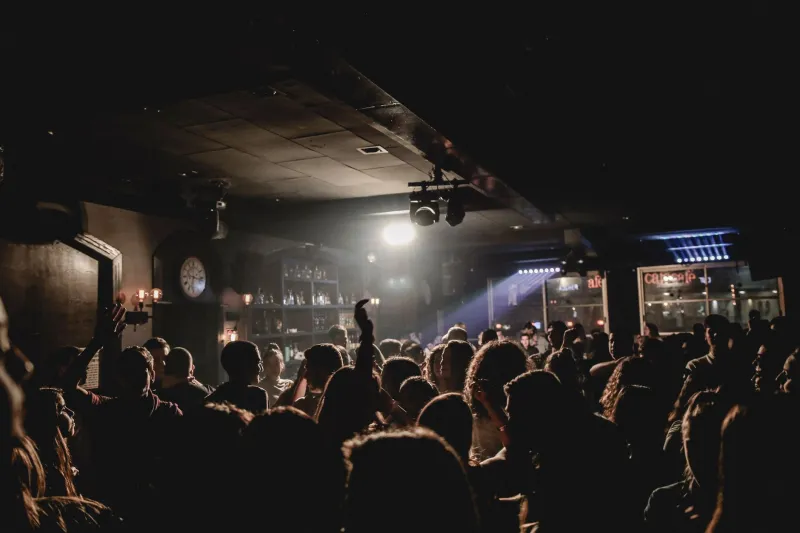
Tuesday, 9.40pm, a first-floor room above a shop in Leeds. Sixty people, maybe seventy. A woman in a work shirt is dancing son with a man who has clearly come straight from a shift. The bar is doing steady trade. The DJ is playing a deep cut from a 1990s Cuban record that would clear a Saturday floor in seconds. Nobody leaves. This is not a night out in the usual British sense. It is a habit. And it is the sort of thing UK Latin nightlife should be building more of.
The weekend is a performance. Tuesday is a relationship.
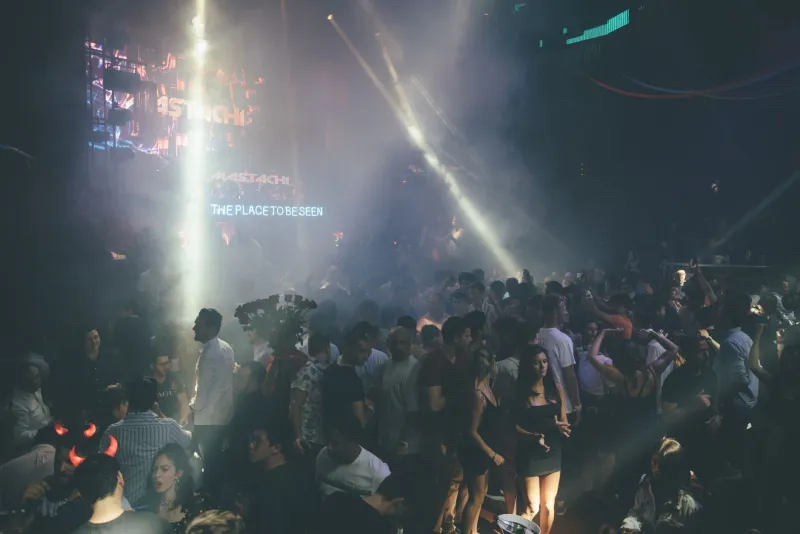
Saturday night has to justify itself. It arrives with a flyer, a guest DJ, a queue round the corner and a crowd that has spent the week planning to have the best time of its life. That pressure does something odd to a room. People drink faster. They dance for the group chat. They leave at 1am because they have made their point.
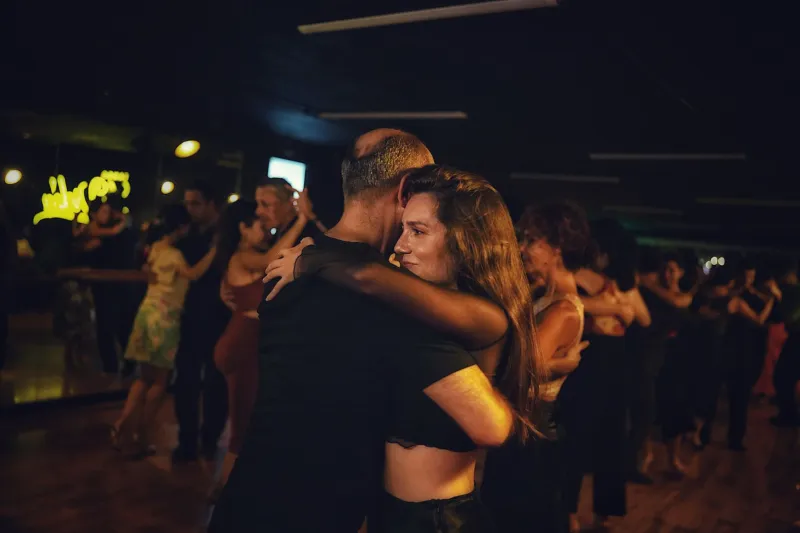
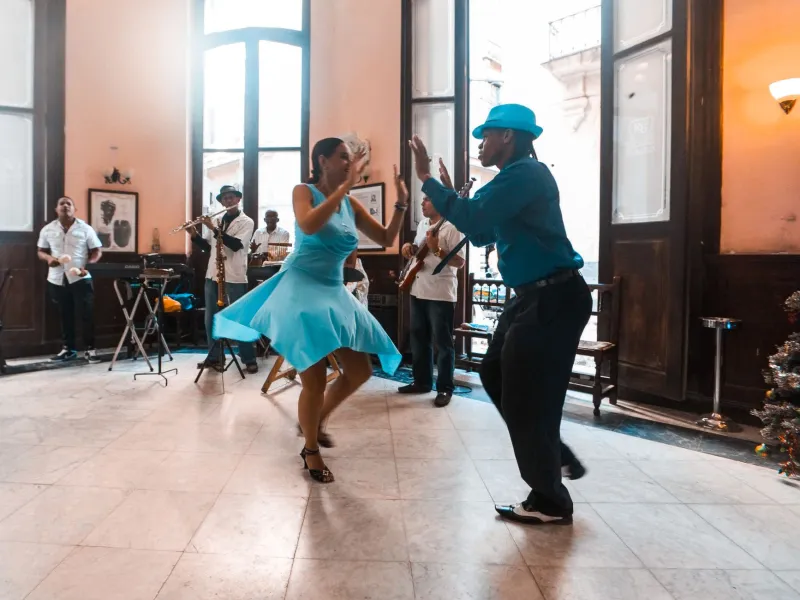
The midweek floor is different. Nobody is performing. People come because it is Tuesday and this is what they do on Tuesday. The stakes are lower, which means the music can be braver and the dancing can be looser. You get the same faces, the same nod at the door, the same spot near the speakers. In Havana, the rumba does not clock off on Sunday and reappear on Friday. It leaks into the week — a patio, a corner, a casa de la música with the fans turned up. The city's after-dark pulse is not a weekend product. It is a daily low hum. Britain will never be Havana, and nor should it try. But there is something in that rhythm worth stealing.
The door maths favour the quiet night
Ask any promoter and they will tell you the same thing: the big weekend room is a machine that needs feeding. Venue hire is higher, staffing is heavier, the minimum spend is a cliff edge and the pressure to book a name that shifts tickets is relentless. A Tuesday does not carry those costs. You can take a smaller room, keep the door price low and still make the numbers work.
An 80-capacity room at 70 per cent full feels better than a 400-capacity room at 25 per cent. It looks like a night. It sounds like a night. The bar take per head is often healthier because nobody is queuing three deep for a drink they will abandon to hold their place. And because the overheads are gentler, you can pay the resident properly, put a little money into the lights and still come out ahead.
That is the practical case. The artistic one is stronger.
Your resident becomes a curator, not a jukebox
On a Saturday, the selector is there to keep a large, mixed, slightly twitchy crowd on the floor. That means the obvious records, in the obvious order, at the obvious moments. It works. It pays. But it does not leave much room for discovery.
The Tuesday room is a laboratory. It is where you find out whether a bolero at 11pm can hold a crowd. It is where a timba B-side gets its first outing, where a guaguancó stretch does not have to be justified by a packed floor, where the resident can play for the people in front of them rather than the people who might walk in at midnight. Over a few months, that builds a crowd with ears. They learn to trust you because you have not treated them like a hen party.
Small rooms are not a compromise
The best nights feel like a secret you are slightly smug about knowing. A midweek rumba has no queue, no bouncer with a clipboard and no group of lads who have come for the novelty of it. You recognise people. You nod. You might even talk. The room does the work that a big sound system cannot: it makes strangers feel like regulars.
That intimacy is not a consolation prize for a night that could not fill a warehouse. It is the point. Havana's small rooms are not famous because they are big. They are famous because they feel like they might not happen again. A Tuesday rumba has the same charge, just without the airfare.
How to make Tuesday work
Consistency is everything. Same night, same room, same rough time, week after week. A midweek night that moves around is not a habit; it is a rumour. Do not cancel because it rains or because the football is on. The people who come need to know it will be there.
Start early. A 7.30pm door and a 1am finish suits a city that has work in the morning. Keep the price low enough that it is an easy decision. Put something in the room that is not just the dance floor — a coffee counter, a plate of something, a corner where people can hear each other. The 23:10 train is not the enemy. It is the design brief.
And promote it through the room, not the algorithm. Word of mouth still works in British cities, especially when the words are 'there's a thing on Tuesday'. The people who come will bring the next people. That is slower than a viral clip. It is also how you build something that lasts.
Don't sack Saturday. Just stop genuflecting to it.
Saturday pays the rent on the big rooms. Tuesday pays the soul back. The midweek rumba is not a replacement for the weekend. It is the thing that makes the weekend better — a farm team, a laboratory, a congregation. It gives the resident somewhere to grow, the crowd somewhere to belong and the promoter somewhere to take a risk without betting the month on it.
Havana's last nights are famous because they feel like they might not happen again. A Tuesday rumba feels like the opposite: a small, repeatable promise. That is not less romantic. It is more.