Out at the Chill Cabinet: The Mid-Night Shop Run That Gives a Latin Floor Its Second Wind

Photo by Photo by Arthur Colas on Unsplash on Unsplash
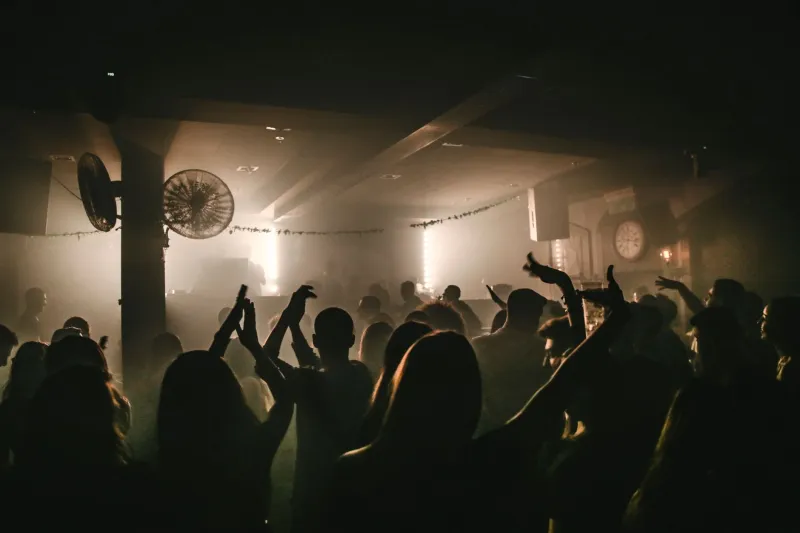
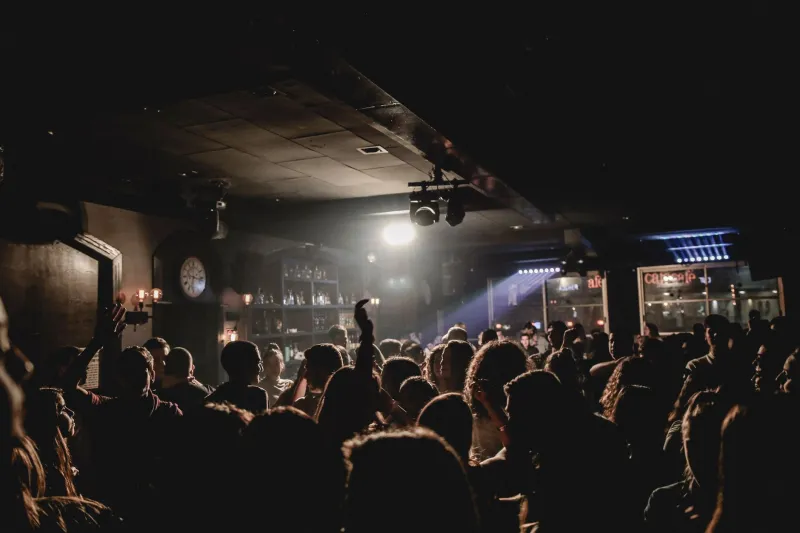
There is a moment in every long Latin night when the room starts to sag. Not collapse — sag. The first wave has burned through its best moves. The bar queue has thinned. Someone is doing that thing where they stand near the speakers pretending to check their phone while actually checking whether their legs still work. The DJ is holding it together, but the floor is between songs and between moods.
Most UK promoters respond by pushing harder. Bigger tune. Louder vocal. Another round of the same. But Havana's late-night rhythm has always understood something British clubland often forgets: a night out is not a single continuous arc. It is a series of small departures and returns. Sometimes the most useful thing you can do for a dancefloor is let it leave the building for twenty minutes.
That is the case for the bodega break: a planned, promoted, properly managed mid-night walk to the nearest 24-hour corner shop. Not a crisis run for cigarettes. Not a drunken stumble towards a kebab. A social reset with a time and a route, built into the night like a pallet cleanser between sets.
The bodega is not a bar — that is the point
In Havana, the bodega is a neighbourhood anchor: a small shop where the everyday gets done, where you see the same faces and hear the same gossip. It is not glamorous. It is not designed for tourists. That is exactly why it works as a model. A British corner shop after midnight — the lit-up Nisa, the Tesco Express with half its shelves empty, the independent shop with a hand-written sign about cash — has a similar social function. It is neutral ground. Nobody is performing. Nobody is guarding a table. You are just a person in slightly too much linen buying a Lucozade.
That neutrality is the gift. On a dancefloor, strangers have to negotiate space, intent and rhythm. In a shop queue, they have to negotiate nothing more complicated than whether the person in front is paying by card. Conversation happens sideways. Someone asks if the salt and vinegar crisps are any good. Someone else recommends the mango juice. By the time the group walks back, they are no longer strangers in a dark room; they are co-conspirators in a small, mundane adventure.
Timing is the whole trick
The break has to be scheduled, not improvised. The worst version is the 2am drift: half the room leaves without saying goodbye, the floor empties, the DJ panics and the night never recovers. The better version is a declared window — say 1:30 to 2:10 — announced from the stage and printed on a small card at the door. One route. One shop. One return time. It feels like an event rather than an evacuation.
Pick the slot carefully. Too early and you break the first peak. Too late and people are too tired to come back. In most UK rooms, the sweet spot sits between the first big surge and the last long stretch, when the crowd is warm but not yet gone. The DJ can use the window to shift gears: a long, rolling son or a slower Latin house groove that does not demand full attention but keeps the room breathing. The people who stay hold the floor. The people who go know exactly what they are coming back to.
Licensing, re-entry and the unglamorous bits
This is where the idea either becomes a genuinely useful ritual or a licensing headache. UK premises are not generally keen on punters taking drinks outside, wandering off and returning whenever they fancy. Any bodega break needs to work with the venue's premises licence, not against it. That means no drinks leaving the building, no glass on the street, and a clear re-entry policy agreed with the door team before the night is advertised.
Wristbands or hand stamps help. So does a staffed re-entry point with a named member of security who knows the route and the return window. If the venue already operates a no-readmission-after-a-certain-time policy, do not fight it — build the break before that cut-off. If the door is on a busy high street, think about noise, smoking and public nuisance. A corner-shop run should not turn into a street party. The point is a quiet social interlude, not a second venue.
Safety matters more than atmosphere. The route should be short, well lit and obvious. The shop should be used to late-night trade. Groups should move together, and anyone who wants to leave for the night should be able to do so without feeling like they have broken a pact. A bodega break is an invitation, not a compulsory march.
Keeping the floor alive while the floor is half empty
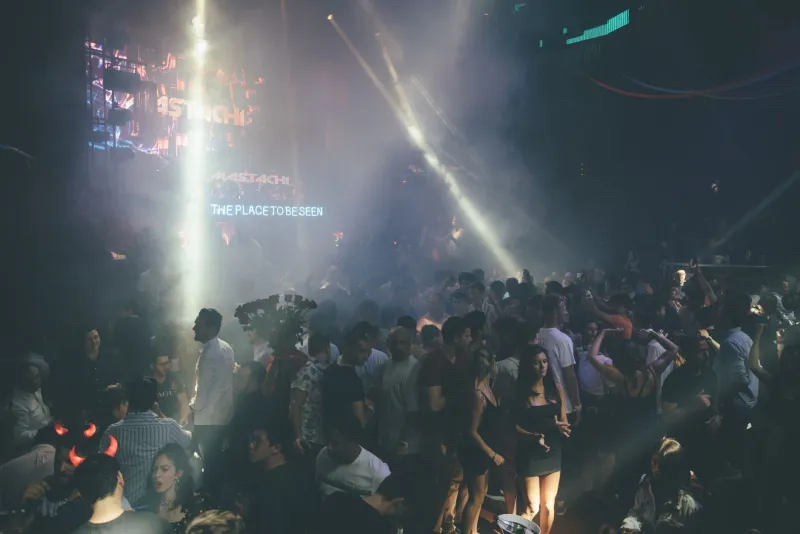
This is the part promoters underestimate. If forty people leave and the room suddenly looks like a school hall, the night is dead on return. The answer is not to hide the exodus but to frame it. Keep the lights low. Keep the music continuous. Encourage the remaining crowd to hold the centre of the floor rather than drifting to the edges. A good DJ can make a half-full room feel like a secret rather than a failure.
It also helps to give the break a tiny bit of theatre. Not a parade — just a signal. A hand-painted sign by the door. A mention from the host. A return-time stamp that feels like a ticket. The bodega break should feel like part of the night's architecture, not an apology for it.
The second wind is real
A long Latin night is not sustained by volume. It is sustained by changes of temperature: hot floor, cool air, loud room, quiet shop, familiar face, new conversation. The bodega break delivers all of that in one small, cheap ritual. It gives the body a pause. It gives the room a story. It gives strangers something to talk about that is not the dancefloor.
And when they come back — clutching a bottle of water, a packet of crisps, a ridiculous ice lolly — they often dance differently. Less guarded. More willing to laugh at themselves. The floor gets a second wind because the people on it have briefly been somewhere else.
UK Latin nights spend a lot of energy trying to keep everyone in the room. Maybe the smarter move is to let them out for twenty minutes, then welcome them back. The corner shop is not the enemy of the night. Handled properly, it is the interval that makes the last set possible.