The Five O'Clock Curtain: Why British Winter Is Latin Nightlife's Secret Weapon
There is a particular British groan that arrives every November, usually around the first afternoon when the sky gives up before the office has emptied. The clocks go back, the commute home happens in pitch black, and half the country starts talking about winter like it is a sentence to be served. Fair enough. But from a dancefloor perspective, this is the wrong mood entirely. The early dark is not the enemy of a good Latin night. It is the setup.
The rooftop hangover
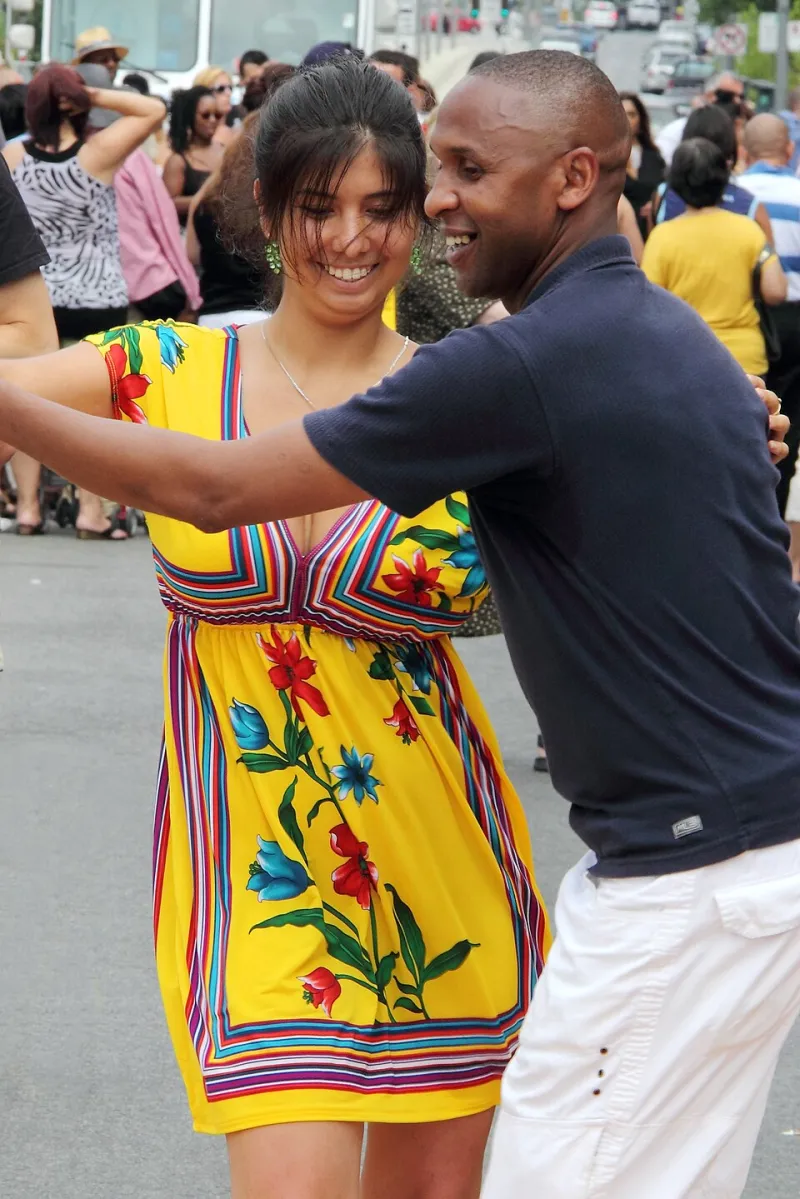
For the past few summers, UK Latin nights have been sold on the view: skyline terraces, sunset sessions, the golden-hour photograph before anyone has actually danced. That is a fine way to spend a July evening, but it has left a strange assumption behind — that the ideal night out needs daylight attached to it. Winter exposes the flaw in that thinking. There is no sunset to chase at 4.45pm, no terrace to pose on, no reason to stand around waiting for the sky to do something photogenic. What is left is the room, the music and the people in it.
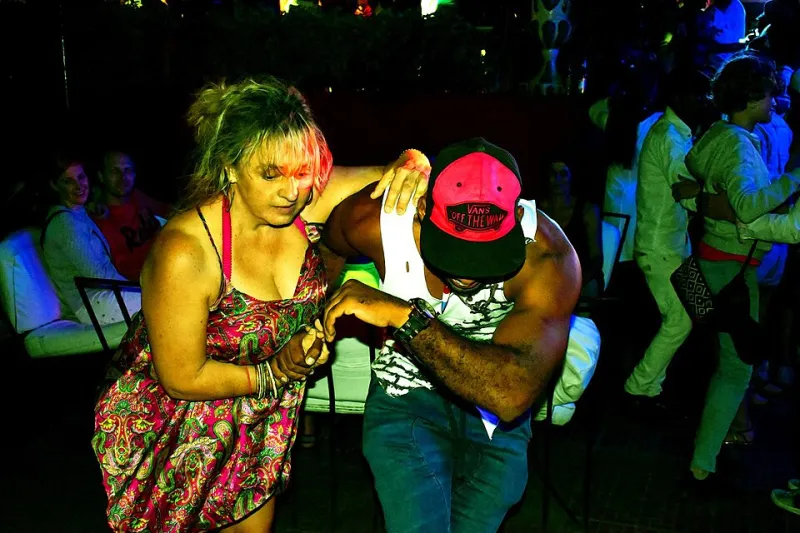
That is not a consolation prize. It is the whole point. A dark early evening seals a venue like a lid. The street outside stops mattering. The windows become mirrors. The bar staff have fewer distractions. And the crowd that does turn out is not there for a backdrop; it is there for the night itself. In Havana, after all, the famous energy is rarely about daylight. It is about interiors, doorways, courtyards and rooms that only start to make sense once the sun has gone.
Earlier doors, better rooms
The first practical shift is obvious: stop treating 10pm as the natural start of the night. In winter, an earlier door time is not a compromise. It is a gift. A 7pm opening gives people a reason to leave the house before the evening feels like an expedition, and it catches the post-work crowd while they still have momentum. Call it a twilight session if the word 'early' feels too wholesome. The point is to meet the dark head-on rather than pretending it is still summer.
Earlier doors also change the room. At 7.30pm, a venue can feel warm and half-full in a way that feels conspiratorial rather than empty. By 9pm, that same room has a base layer of people, a settled temperature and a dancefloor that does not need to be forced into life. The late arrivals walk into something already happening, which is far more persuasive than walking into a echoing room at 11pm and wondering whether they have made a mistake.
Light like a living room, not a supermarket
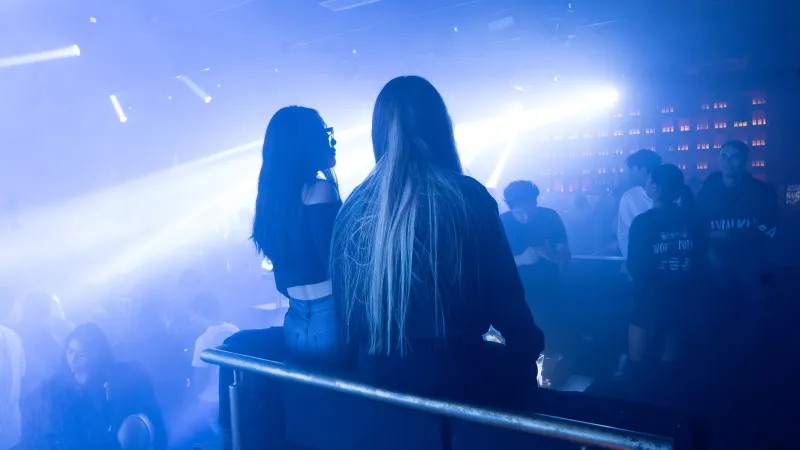
British venues have a habit of over-lighting in winter. Perhaps it is a safety reflex, or perhaps it is the ghost of a chain pub. Either way, blue-white LEDs and overhead spots are the quickest way to make a dark evening feel like a waiting room. Latin nights work best under warmer light: amber lamps, low pendants, candles on tables, a few pools of glow rather than one flat wash. It is not about turning the room into a film set. It is about making the dark feel deliberate.
A simple test: stand at the back of the room and ask whether it feels like somewhere you would want to linger. If the answer is no, the lighting is doing the opposite of its job. The early winter darkness outside should be an invitation to cosy in, not an excuse to flood the floor with fluorescence.
Food first, dancing later
Winter crowds arrive colder and hungrier. A food-first start is not a gimmick; it is basic hospitality. A pot of something warm, a few tables, a menu that does not demand a full sit-down dinner — these things buy goodwill and time. People who have eaten are more likely to stay, more likely to drink slowly and far more likely to dance without feeling like they are running on empty.
The mistake is treating food as a separate event that delays the music. In practice, the two can overlap. A son playlist at conversational volume, a few plates, a room that fills gradually — by the time the decks proper begin, the audience is already invested. It also gives the night a shape that suits a British winter: arrive in the dark, eat while the room warms up, dance until the buses require a decision.
The last-bus problem is a programming problem
No amount of atmospheric lighting can solve a 23.10 last bus. Transport planning is not unromantic; it is the difference between a night that works and one that ends in a cold, anxious sprint. Venues should be advertising the last reliable services, not leaving it to guesswork. Promoters should be thinking about routes and interchanges before they book the headline act. A night that ends at 2am is only useful if the audience can actually get home.
There are practical fixes: earlier headline sets, a clearly published last-bus board, partnerships with nearby venues, and a cloakroom that does not take twenty minutes to retrieve a coat. Small things, but they signal that the night has been designed for real people in a real British winter, not for an imaginary crowd with a chauffeur.
Stop mourning the sun
The broader argument is simple. UK Latin nights spend too much energy wishing they were somewhere else — a rooftop in July, a terrace at sunset, a postcard version of Havana. Winter strips that away and leaves the essentials: a warm room, a good sound system, food, people and rhythm. That is not a lesser version of the night. It is the version that has always done the work.
The five o'clock blackout is not a disaster to be endured until spring. It is a curtain. Pull it, light the room properly, open the doors early and let the night start while the rest of the country is still complaining about the dark.