Havana Doesn't Switch Off: The Case for a UK Latin Night Soft Landing

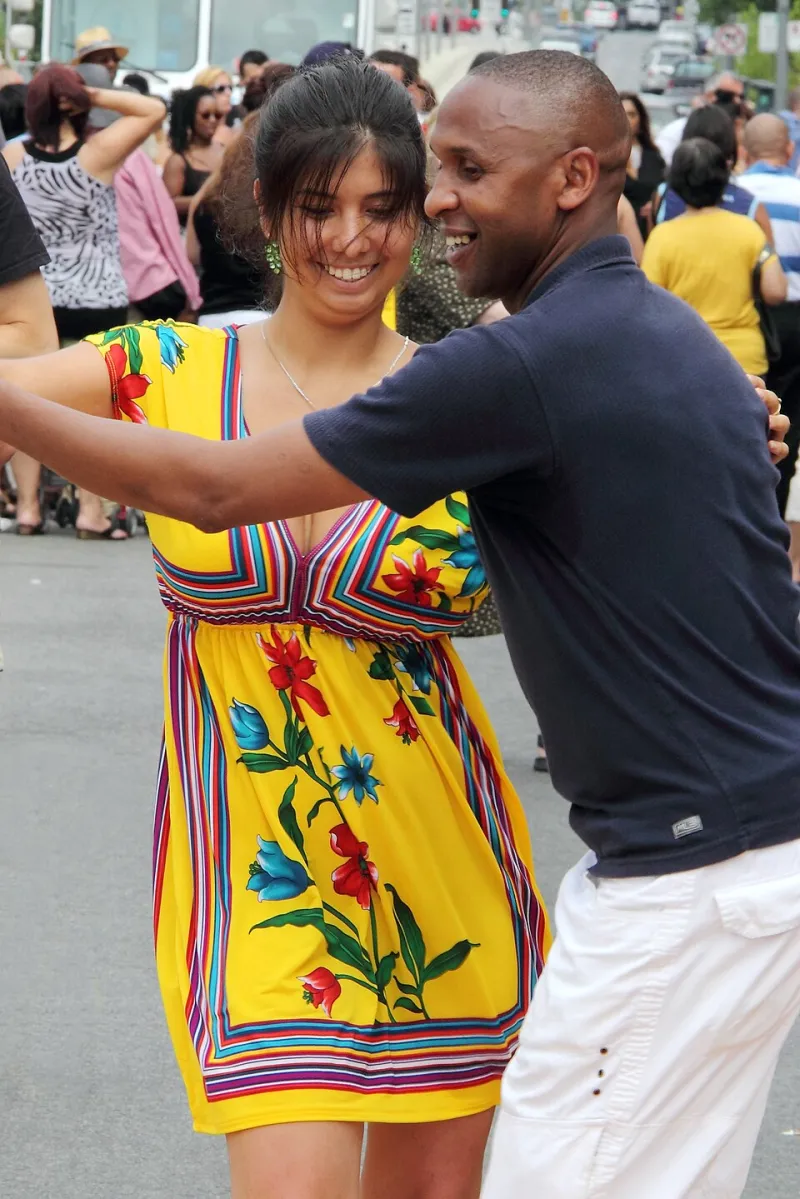
Photo by Photo by JF Martin on Unsplash on Unsplash
At 1:58am, the DJ is still in the middle of something good. At 2:00am, the house lights snap on like someone has thrown a switch in a hospital corridor, the sound system cuts to a Coldplay track or silence, and a hundred people who were just moving together are suddenly queuing for coats. It is not a finale. It is an evacuation.
Anyone who has spent a late night around Havana's music scene will recognise a different rhythm. The night does not always end with a jolt. It tapers. A faster track gives way to a son, then a bolero, then someone opens a door and the street air does half the work. Water appears. People stand around fanning themselves with printed flyers. The room cools, the conversation drops a gear, and the exit feels less like a ejection and more like a slow release. That is not a romantic fantasy; it is a design principle UK promoters can borrow.
The hard stop is a very British reflex
Part of this is licensing, part is staffing, part is the understandable fear of the witching-hour crowd. UK venues like a clean break. Security wants the room empty. Bar staff want to count bottles. Neighbours want the bass gone. None of that is unreasonable. But the result is that the most atmospheric part of a Latin night — the bit where people are warm, loose and still listening — gets treated like a problem to be cleared.
We have written before about not rushing the rumba, and this is the same argument in a different key. A hard stop does not make a night safer or more professional. It just makes the ending feel accidental. And in a scene built on hospitality, the last ten minutes are part of the product.
What a Havana-style cool-down is — and isn't
It is not an after-party. It is not a second event bolted onto the first. It is a planned half-hour inside the existing night, where the room is allowed to come down together rather than being scattered into the night individually.
Havana's street-side cooling works because it uses what is already there: night air, shared water, slower music, people standing rather than performing. A UK room can replicate the logic without pretending to be a malecón. The point is the taper, not the postcard.
Build the last half-hour like a set
A soft landing should be on the running order, not improvised by a DJ who is suddenly told to play something gentle. Treat the final 30 minutes as a separate mini-set with its own job.
Music: Drop the tempo gradually, not drastically. If the peak is 95–100 BPM, do not jump to a 70 BPM ballad while people are still buzzing. Let the last three or four tracks ease down by two or three BPM each. Cuban son, bolero, a slow chachachá, maybe a warm, vocal-led track that lets people sway rather than count steps. No ironic anthem. No sudden indie singalong. The music should feel like a hand on the shoulder, not a hook pulling people off the floor.
Lighting: Do not flood the room. Bring the lights up in stages — first the edges, then the bar, then the floor. Give people a chance to adjust. A slow fade says the night is closing; a blast of white light says you have overstayed.
Air: This is the bit UK venues underestimate. A Havana cool-down is partly a ventilation event. If the room is hot and the doors are sealed until chucking-out, people will leave overheated and irritable. Open fire exits where licensing allows, position fans so they move air across the dancefloor rather than just shifting heat around, and let the cool November air in before the crowd hits the street.
Water: Free water, visible, within reach of the floor. Not a single tap behind a queue at the bar. A jug and cups on a side table, refilled by staff, does more for the last half-hour than another round of shots. It also slows people down gently, which is exactly what a wind-down is for.
Exit flow: Announce the last train or the last bus before the final track, not after the music stops. Put cloakroom staff on the door early. If people know the ending is coming, they leave in a better mood and with less of a crush.
Don't confuse a soft landing with a shutdown
The obvious risk is that a cool-down becomes a mood-killer: the DJ plays three slow songs, the floor empties, and the night ends with a whimper. That happens when the taper is badly timed or badly signposted. The fix is to keep the energy in the room while changing its shape. A slow track can still be a great track. A bolero can still fill a floor if the room has been taken on the journey. The mistake is treating the wind-down as an apology.
Promoters should also resist the urge to make it a gimmick. You do not need fake palm trees or a theatrical street scene. You need a plan, a playlist note and a conversation with the venue about air, water and lights. The Havana reference is useful because it reminds us that cooling down is a social ritual, not a technical failure.
Try it for one night in 2026
Rather than redesigning the whole calendar, pick one night this winter and run a 30-minute soft landing as an experiment. Brief the DJ. Move the water station. Ask the venue to fade the lights rather than hit them. Put the last train time on a chalkboard by the bar. Then watch what happens to the room.
If it works, you will not lose the peak. You will just stop wasting the aftermath. The dancefloor does not have to end with a jolt. In Havana, the night often cools before it closes. UK Latin nights could learn a lot from that — not by copying the street, but by respecting the fade.