After Midnight, Before the Last Train: Six UK Rooms Where Cuban Son Takes the Late Shift

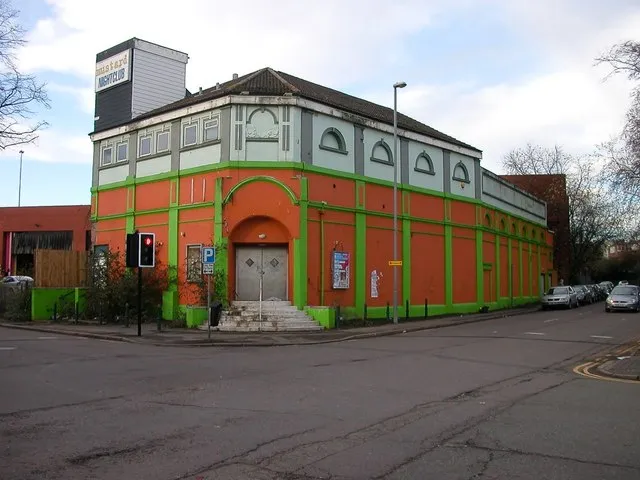
Photo: Timelordsc, CC BY-SA 4.0, via Wikimedia Commons
Cuban son has a reputation problem in the UK. Too often it is treated as background music for a themed cocktail night: a few guitars, a fruit garnish, maybe a poster of a vintage car. The reality is different. Son is dance music with a slow fuse. It builds through clave, call-and-response and a rhythm section that refuses to hurry. In the right room, after midnight, it can turn a polite crowd into a moving one.
That is the logic behind the six nights below. They are not identical, and none of them is trying to recreate Old Havana in a warehouse. What they share is a belief that son, timba and Latin jazz belong in the late slot—not as warm-up wallpaper, but as the reason people stay. I spoke to promoters and DJs across the country about building that atmosphere without pastiche, and asked what UK dancers should look for this winter.
1. Mesa de Son, Peckham
Peckham’s railway arches are not the first place you would look for a Havana-style late room, which is exactly why this monthly works. Promoter Lucía Ferrer books small son groups and a DJ who understands that the first hour is for boleros, the second for son montuno and the third for something closer to timba. “We don’t decorate the room like a postcard,” she says. “We dim it, clear a floor, and let the tres and the voices do the work.”
The crowd is a mix of seasoned Latin dancers, curious locals and people who came for one drink and stayed for the second set. The late room starts after 1am and is usually the best part: fewer phones, more space, a proper exchange between band and floor. Look out for their winter dates on socials rather than relying on flyers; the best ones sell out quietly.
2. Clave & Bone, Hackney
This basement bar is less a club night than a slow conversion. DJ Tomás Grant starts with son and Latin jazz on vinyl, then edges towards tougher timba as the room loosens up. “The late room is where the conversation stops,” he says. “You want people to stop shouting over the music and start listening to it.”
Grant is allergic to the word “authentic”. He prefers “specific”: the right tempo for the room, the right mix of live percussion and records, the right moment to let a track run long. The result is a night that feels intimate rather than instructional. It is also a good entry point for anyone who loves Latin jazz but is not yet confident dancing son. Arrive after 11pm, stand near the side bar for a track or two, and let the room show you the pace.
3. Rumba Room, Bristol
Bristol’s harbourside has a habit of producing nights that feel like house parties with better sound. Rumba Room is one of them. Promoter Charley Otero builds the evening around acoustic son and rumba, with a late DJ set that keeps the percussion high and the lighting low. “People come for cocktails and stay for the drum,” Otero says. “That is the trick. You don’t announce the atmosphere. You let it happen.”
The room is small enough that the dancers and the band are in the same conversation. That can be magic or chaos, depending on the crowd. Otero’s advice for newcomers is simple: watch the first number, find one person who looks like they know what they are doing, and copy the basic step until the music makes sense. No one is auditioning you.
4. Mambo Nocturno, Birmingham
Digbeth’s warehouses are better known for techno and indie, but Mambo Nocturno has been quietly building a Latin late room with a different kind of weight. DJ Priya Solano programmes timba and son across a long arc, with the peak deliberately held back. “We put the biggest moment at 1.30, not 11,” she says. “If you peak too early, you lose the room. If you wait, the room carries you.”
The night is bigger than the others on this list, which means more polish and less intimacy. But Solano’s sets have a Havana-style patience: a warm-up that actually warms, a middle section that tests the floor, and a final hour that feels earned. It is a good option for groups who want a proper night out without the pressure of a concert-style headline set.
5. Azúcar Alta, Manchester
Ancoats loft parties can feel designed for photographs, but Azúcar Alta works because promoter Danny Cruz treats the room like a listening session that happens to have a dancefloor. The first hour is Latin jazz and bolero; the second is son; the late room is where the congas come out and the tempo lifts. “No congas on the poster,” Cruz says. “We want people to arrive curious, not sold a fantasy.”
That approach pays off. The crowd is attentive, the dancers are generous, and the night has a slow-build atmosphere that suits Manchester’s colder months. If you are coming from outside the city, check the last tram and book a taxi in advance. The late room is worth staying for, but the travel plan should not be an afterthought.
6. La Última, Leeds
Leeds has a strong Latin scene, and La Última is its most atmospheric late option. DJ Nia Delgado runs the last hour like a rumba session: voices, percussion, space for the floor to answer back. “The last hour is the best hour,” she says. “People have stopped performing. They are just dancing.”
The night is monthly, often in a Kirkstall Road club that feels more like a social hall than a superclub. That is the point. Delgado avoids tropical decoration and keeps the focus on sound and lighting. The result is a room that feels Cuban in rhythm rather than in costume—which is the distinction that matters.
Practical notes for winter 2026/27
- Check the late room, not just the headline. Several of these nights have an early Live set and a different late DJ. The late room is usually the one you want.
- Arrive later than you think. A 10pm start often means 11.30pm in practice. Eat first, travel light and keep an eye on the last train.
- Do not ask for the same three Buena Vista Social Club tracks all night. Requesting one classic is fine; treating the DJ as a jukebox is not.
- Dance etiquette matters. Son is a partner dance with room for improvisation, but the floor is shared. Watch the space, apologise when you collide, and do not teach unless someone asks.
- Follow the promoters, not just the venues. These nights move around, sell out quietly and sometimes change rooms at short notice.
None of these six is trying to be Havana. That is their strength. They are UK rooms with UK crowds, using Cuban rhythm to stretch the night beyond the usual headline-and-home pattern. In the dead of winter, that is worth a later train.