The 4AM Rule: Why UK Clubbing Should Stop Rushing the Rumba
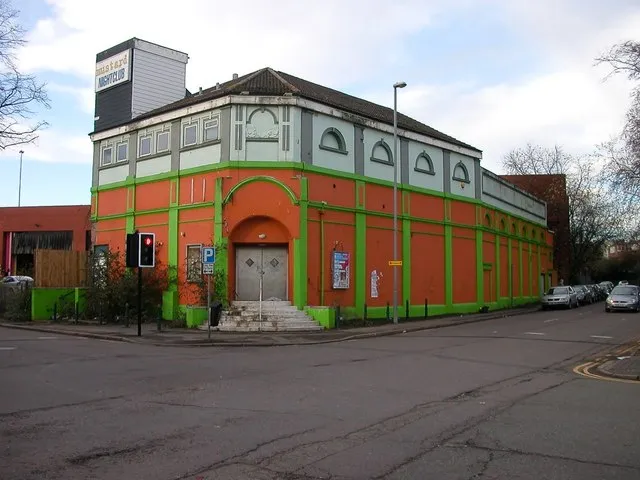
Photo: Ian Rob, CC BY-SA 2.0, via Wikimedia Commons
UK club culture has a timing problem. We are excellent at the big moment: the drop, the headline, the lights, the chorus of a tune everyone knows. We are less good at the long moment—the hour after the headline, when a room could go somewhere stranger and deeper. The last train, the licence, the staff rota and the fear of an empty floor all pull against it. Fair enough. But Havana’s after-dark rhythm offers a useful corrective. Call it the 4AM rule: the best part of the night is often the part you almost missed.
This is an opinion piece, so let me be clear about the opinion. I am not arguing that every UK night should run until dawn. I am arguing that too many of our nights are programmed like a sprint when they could be a slow dance. We rush the rumba. We put the peak too early, we announce the finish too loudly, and we teach dancers to leave before the room has had a chance to change.
The last train is a state of mind
Part of this is practical. British cities are not Havana. Our transport shuts down, our licensing rules are tighter, and our venues have to make their money back before the cleaners arrive. Promoters are not being lazy when they schedule the headline at 11.30pm. They are being realistic about a crowd that has work in the morning and a train to catch.
But practicality becomes habit, and habit becomes culture. If every night promises its biggest moment before midnight, dancers learn to arrive early, peak early and leave early. The late room becomes an afterthought—a place for the stragglers rather than the main event. That is a loss. Some of the most memorable nights in any city happen after the official climax, when the crowd has thinned and the DJ or band finally has room to stretch.
What Havana’s late room understands
Havana’s after-dark rhythm is not a template you can copy and paste into a UK warehouse. The city has its own pace, its own venues, its own relationship with time. But the underlying idea travels: a night can build slowly, and the build is part of the pleasure.
In a good son or rumba room, the early hours are not dead time. They are where the atmosphere is made. The band tests the floor, the dancers find their feet, and the room settles into a shared tempo. By the time the music reaches its peak, nobody is checking their phone. They are inside the night.
That is what UK clubbing often skips. We want the peak without the patience. We want the atmosphere without the slow build. We book the headline and hope the room will be ready. Sometimes it is. Often it is not.
The headline slot problem
There is a reason promoters love the headline slot. It sells tickets, it gives the night a shape, and it gives the crowd a reason to arrive on time. None of that is wrong. But the headline slot can also flatten the arc. If the biggest moment is fixed at 11.30pm, everything after it becomes a wind-down. The late room is programmed as a courtesy rather than a destination.
A better model is not necessarily a later headline. It is a longer arc. Put the headline where it belongs, then give the late room a reason to exist. Book a second act, a different DJ, a percussionist who can take the room somewhere else. Tell the crowd that the night has two peaks, not one. Make the last hour feel like part of the plan.
Building a longer arc without losing the room
This is where promoters and dancers can meet in the middle. Promoters can programme with more patience: a warm-up that actually warms, a middle section that tests the floor, a late section that rewards the people who stayed. They can also be honest about timing. If the late room starts at 1am, say so. If the last train is a real constraint, help people plan around it rather than pretending it does not exist.
Dancers can help by adjusting their own habits. Arrive a little later. Stay for one more track. Do not treat the headline as the finish line. Learn to read the room rather than the timetable. A dancefloor is a collective thing, and patience is contagious.
None of this requires a Havana-style 4am finish every weekend. It requires a shift in emphasis: from the single big moment to the longer arc, from the rush to the rumba. In a UK scene that often feels anxious about losing its crowd, that might be the most radical programming choice of all.
Patience is a dancefloor skill
We talk a lot about technique in dance culture: footwork, timing, musicality. We talk less about patience. But patience is a skill, and it is one that UK dancers can learn. It means trusting that the night will get where it is going without forcing it. It means staying through the part that feels uncertain. It means letting the room breathe.
Havana’s after-dark rhythm is not a magic trick. It is a habit of time. The city’s late rooms are not better because they are later; they are better because the people in them have agreed to wait. That agreement is what UK clubbing could use more of in 2026. Not every night needs to run until 4am. But more of them could afford to stop rushing the rumba.